
Why You Should Not Ignore Mouth Ulcers
Mouth ulcers are often dismissed as a minor inconvenience, something that will “heal on its own.” Many people ignore them until eating, speaking, or even drinking water becomes uncomfortable. While some mouth ulcers are harmless and temporary, others can signal deeper health concerns that should never be overlooked.
Ignoring mouth ulcers may delay treatment, increase pain, and in rare cases, allow serious conditions to go undetected. Understanding what mouth ulcers are, why they occur, and when to seek professional care can protect not just your oral health, but your overall well-being.
This guide explains why you should not ignore mouth ulcers, especially if they are persistent, painful, or recurring.
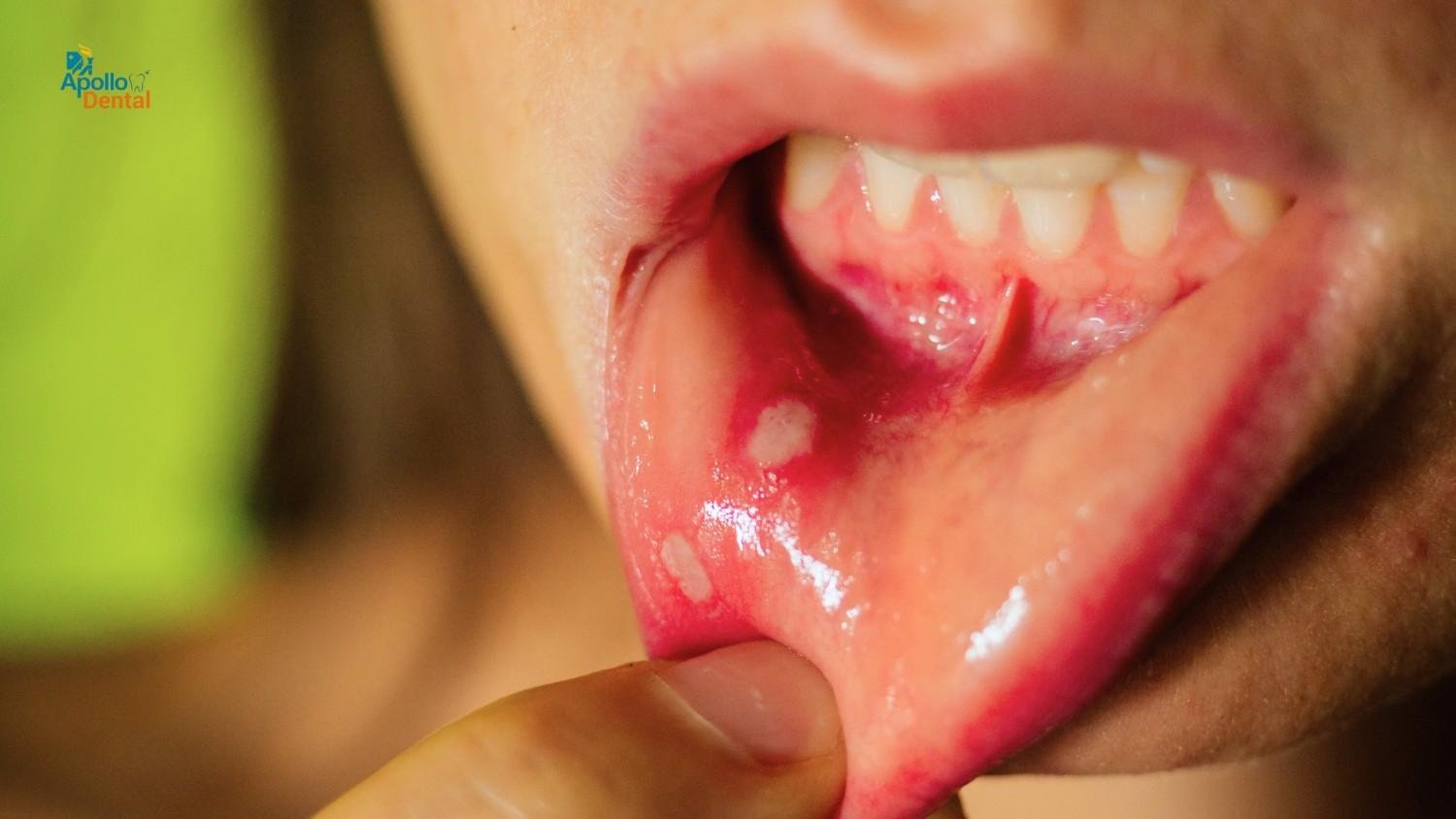
Table of Contents
What Are Mouth Ulcers ?
Mouth ulcers, also known as oral ulcers or canker sores, are open, painful sores that develop inside the mouth. They commonly appear on the inner cheeks, lips, tongue, gums, or the roof of the mouth.
Most ulcers appear as small, round or oval lesions with:
- A white or yellow center
- Red, inflamed edges
- A burning or stinging sensation
While they are not usually contagious, mouth ulcers can significantly impact daily activities such as eating, speaking, and maintaining oral hygiene.
Common Causes of Mouth Ulcers
Mouth ulcers can develop for many reasons, ranging from minor irritation to underlying medical conditions.
1. Physical Injury
Accidental bites, sharp teeth, ill-fitting dental appliances, or aggressive brushing can injure the soft tissues inside the mouth, leading to ulcers.
2. Stress and Fatigue
Emotional stress and lack of sleep can weaken the immune system, making the mouth more vulnerable to ulcers. Stress-related mouth ulcers are especially common in working professionals and students.
3. Nutritional Deficiencies
Deficiencies in vitamin B12, iron, folic acid, or zinc are strongly linked to recurring mouth ulcers. These deficiencies can interfere with tissue repair and immune response.
4. Hormonal Changes
Hormonal fluctuations, particularly in women, may trigger mouth ulcers during menstrual cycles or pregnancy.
5. Medical Conditions
Chronic mouth ulcers may be associated with:
- Digestive disorders
- Autoimmune diseases
- Weakened immune system
- Viral or bacterial infections
6. Allergic Reactions or Sensitivities
Some people react to certain toothpaste ingredients, foods, or dental materials, resulting in repeated ulcer formation.
Author Bio

Foinix Digital
Foinix Digital Services believes every story has the power to inspire and connect. With a passion for creativity and meaningful storytelling, we craft content that brings ideas to life and helps brands share their voice with the world.
Recent Posts


Dental
April 18, 2025

Dental
June 23, 2025
Book Appointment
Why Ignoring Mouth Ulcers Can Be Risky
1. Persistent Pain and Discomfort
Untreated mouth ulcers can worsen over time, making eating and drinking painful. This can lead to poor nutrition and dehydration, especially in older adults.
2. Risk of Infection
Open sores provide an entry point for bacteria. Secondary infections can cause swelling, pus formation, and fever, requiring medical intervention.
3. Delayed Diagnosis of Serious Conditions
One of the most important reasons not to ignore mouth ulcers is that persistent or non-healing ulcers can be an early sign of oral cancer or systemic disease. Early detection dramatically improves treatment outcomes.
4. Recurrent Ulcers May Indicate Deficiencies
If mouth ulcers keep returning, your body may be signaling a nutritional imbalance or immune issue that needs professional evaluation.
5. Impact on Oral Hygiene
Painful ulcers often discourage proper brushing and flossing, increasing the risk of cavities, gum disease, and bad breath.
When Are Mouth Ulcers a Warning Sign?
You should never ignore mouth ulcers if you notice any of the following:
- Ulcers lasting more than 2 weeks
- Frequent recurrence
- Severe pain or swelling
- Bleeding without cause
- Difficulty swallowing or speaking
- Ulcers accompanied by fever or fatigue
- Hard or irregular borders around the sore
In these cases, a dental evaluation is essential.
How Mouth Ulcers Are Diagnosed
A dental professional will examine the ulcer’s size, shape, location, and duration. If needed, additional tests may be recommended to identify:
- Nutritional deficiencies
- Infections
- Underlying medical conditions
Early diagnosis helps prevent complications and ensures appropriate treatment.
Effective Treatment Options for Mouth Ulcers
1. Topical Medications
Prescription gels or ointments help reduce pain, inflammation, and healing time.
2. Pain Relief and Anti-Inflammatory Care
Medicated mouth rinses and oral ointments/gels can provide relief and protect the ulcer from irritation.
3. Nutritional Support
Correcting vitamin or mineral deficiencies often prevents recurring ulcers.
4. Dental Corrections
Smoothing sharp teeth or adjusting dental appliances eliminates ongoing irritation.
5. Professional Dental Care
At Apollo Dental Nallakunta, patients receive personalized evaluation and treatment plans to address both symptoms and root causes of mouth ulcers.
How to Prevent Mouth Ulcers
- Maintain good oral hygiene with gentle brushing
- Avoid very spicy, acidic, or hard foods
- Stay hydrated
- Manage stress effectively
- Eat a balanced diet rich in vitamins and minerals
- Schedule regular dental checkups
Prevention is always easier than treatment.
Why Early Dental Consultation Matters
Many people delay seeing a dentist for mouth ulcers, assuming they are harmless. However, early consultation:
- Reduces healing time
- Prevents complications
- Detects serious conditions early
- Improves comfort and quality of life
Professional evaluation ensures peace of mind and proper care.
Final Thoughts
Mouth ulcers may seem minor, but ignoring them can lead to prolonged discomfort and, in some cases, serious health risks. Paying attention to changes in your oral health and seeking timely care can make a significant difference.
If you experience persistent or recurring mouth ulcers, consulting a qualified dental professional is the safest and smartest choice for your long-term oral and overall health.
FAQ's
Most mouth ulcers are harmless, but persistent or recurring ulcers may indicate underlying health conditions and should be examined by a dentist.
A typical mouth ulcer heals within 7–14 days. If it lasts longer than two weeks, a professional evaluation is recommended.
Yes. Stress can weaken the immune system, making the oral cavity more susceptible to ulcers.
Not all mouth ulcers are cancerous, but non-healing ulcers with hard edges should be evaluated promptly.
Treatment depends on the cause and may include topical medications, nutritional support, and dental care.