DMLS Crowns in Nallakunta, Hyderabad: Everything You Need to Know Before Treatment
If your dentist has recently recommended a crown and mentioned the term “DMLS,” you’re probably wondering what it means and whether it’s the right choice for your tooth. You’re not alone, this is one of the most common questions patients ask at dental clinics across Hyderabad, especially in areas like Nallakunta, where more people are now opting for advanced, long-lasting dental restorations instead of the older, bulkier metal caps.
This guide breaks down what DMLS crowns are, how they’re made, who they’re suitable for, and what you should expect from the entire treatment journey written in plain, simple language so you can make an informed decision before sitting in the dental chair.
What Exactly Is a DMLS Crown?
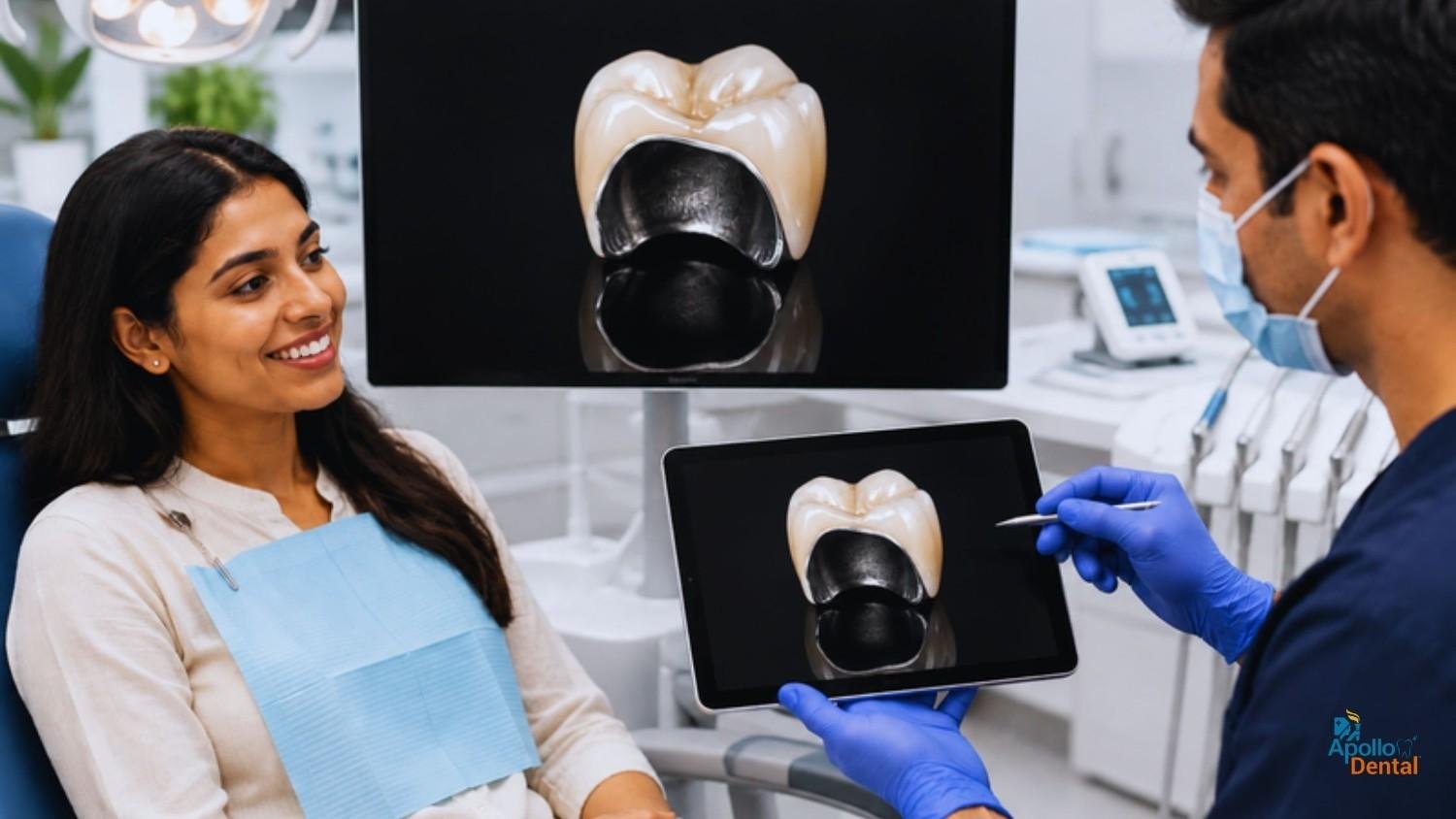
DMLS stands for Direct Metal LASER Sintering, a manufacturing process, not a brand of crown. In this technique, a fine metal powder (usually a cobalt-chromium alloy) is fused layer by layer using a high-precision LASER, guided entirely by a digital 3D design of your tooth. The result is a crown framework that fits with remarkable accuracy, often better than traditional casting methods can achieve.
Think of it this way: older metal crowns were shaped using wax patterns and manual casting, which left room for small errors. DMLS crowns are essentially “3D printed” in metal, so the fit is tighter, the margins are cleaner, and the overall strength of the restoration improves.
Once the metal coping is built, a dentist typically layers porcelain or ceramic over it (like a PFM crown) to match your natural tooth shade, or in some cases leaves it as a full-metal crown for back teeth where strength matters more than appearance.
Why Are More Patients Choosing DMLS Crowns?
Here’s why this technology has gained popularity among dentists and patients alike:
- Superior Fit: Digital scanning and LASER sintering reduce human error, so the crown sits precisely on the prepared tooth with minimal gaps.
- Stronger Structure: The layer-by-layer fusion creates a denser metal framework compared to traditionally cast crowns.
- Better Longevity: A well-fitted crown means less chance of bacteria seeping underneath, which lowers the risk of decay under the crown.
- Cost-Effective Compared to Full Zirconia: DMLS crowns often sit at a more affordable price point than premium all-ceramic or zirconia options, while still offering excellent strength.
- Ideal for Bridges: Because the framework is milled digitally, DMLS technology works especially well for multi-unit bridges where accuracy across several teeth is critical.
DMLS Crown vs Zirconia vs PFM: A Quick Comparison
Patients often get confused between the three most common crown types available today. Here’s a simple breakdown:
Feature | DMLS Crown | Zirconia Crown | Traditional PFM Crown |
Fit Accuracy | Very High (LASER-guided) | Very High (CAD/CAM milled) | Moderate |
Strength | High | Very High | High |
Aesthetics | Good (with porcelain layer) | Excellent (natural translucency) | Good |
Best For | Molars, bridges | Front teeth, full-mouth cases | General use |
Relative Cost | Moderate | Higher | Moderate |
If your priority is strength and value for money on back teeth, a DMLS crown is often a smart pick. If you want maximum aesthetics for a front tooth, your dentist may still suggest zirconia.
Author Bio

Foinix Digital
Foinix Digital Services believes every story has the power to inspire and connect. With a passion for creativity and meaningful storytelling, we craft content that brings ideas to life and helps brands share their voice with the world.
Recent Posts


TMD & TMJ
June 27, 2025
Dental
December 31, 2025
Book Appointment
Who Should Consider a DMLS Crown?
You might be a good candidate for this treatment if:
- You have a tooth that’s cracked, badly decayed, or weakened after a root canal.
- You’re getting a bridge and need multiple connected crowns with a precise fit.
- You want a durable option for molars that handle heavy chewing pressure.
- You’ve had issues with ill-fitting crowns in the past and want better accuracy this time.
- You’re looking for a balance between durability and affordability.
Your dentist will examine your bite, the condition of the remaining tooth structure, and X-rays before confirming whether DMLS is the right fit for your case.
Step-by-Step: What Happens During DMLS Crown Treatment
Here’s what a typical treatment sequence looks like at a well-equipped dental clinic:
- Consultation and Digital X-ray: The dentist examines the tooth and takes a digital scan or X-ray to assess decay, root health, and bone support.
- Tooth Preparation: The damaged or decayed portion is gently shaped to make room for the crown. If the nerve is affected, a root canal may be done first.
- Digital Impression or Scan: Instead of the messy old putty impressions, many clinics now use intraoral scanners for a faster, more comfortable experience.
- Lab Fabrication: The scan data is sent to a dental lab, where the DMLS machine builds the metal framework layer by layer, followed by porcelain layering if needed.
- Temporary Crown Placement: While the permanent crown is being made, a temporary cap protects the prepared tooth.
- Final Fitting and Cementation: Once ready, the dentist checks the fit, bite alignment, and shade before permanently cementing the crown.
The entire process, from preparation to final placement, usually takes about 1-2 visits spread across a week or so, depending on lab turnaround time.
Is the Procedure Painful?
This is genuinely one of the biggest worries patients have, and it’s a fair concern. The good news: with modern local anesthesia and LASER-assisted techniques now used at many clinics, tooth preparation for a crown is largely comfortable. Mild sensitivity for a day or two after the procedure is normal, but it’s manageable with basic pain relief advised by your dentist.
How Long Does a DMLS Crown Last?
With proper oral hygiene and regular dental check-ups, a DMLS crown can comfortably last 8 to 15 years, sometimes longer. Its lifespan depends on:
- How well do you maintain daily brushing and flossing
- Whether you avoid habits like chewing ice or hard objects
- Regular dental visits every 6 months for check-ups and cleaning
- The overall health of the supporting tooth structure and gums
Caring for Your Crown After Treatment
A little aftercare goes a long way in extending the life of your new crown:
- Brush twice daily with a soft-bristled brush
- Floss gently around the crown margin to prevent plaque buildup
- Avoid biting down on very hard foods like ice, hard candies, or nutshells
- Wear a night guard if you have a habit of teeth grinding (bruxism)
- Visit your dentist every 6 months for a routine check-up
Finding the Right Dental Clinic Near You
If you live in or around Nallakunta, Hyderabad, choosing a clinic with modern digital scanning tools and an experienced dental team makes a real difference to your treatment outcome. Patients from nearby localities such as DD Colony, Barkatpura, Adikmet, Chikkadpally, Narayanguda, Vidyanagar, and areas close to Shivam Road often prefer clinics in Nallakunta for crown and bridge work simply because of the easy connectivity and availability of specialists under one roof.
When evaluating a clinic for DMLS crown treatment, look for:
- A dentist with experience in prosthodontics and crown-bridge work
- In-house digital scanning and imaging facilities
- Transparent discussion of cost before starting treatment
- Positive patient reviews and visible before-after results
- Hygienic, well-sterilized treatment setup
Final Thoughts
A DMLS crown is a practical, durable, and reasonably priced solution for anyone dealing with damaged or weakened teeth, especially for molars and bridge work where strength matters most. Understanding the process beforehand from tooth preparation to final cementation, helps you walk into your appointment with confidence instead of anxiety.
If you’re in Nallakunta or nearby areas and considering a dental crown, it’s worth having a proper consultation with an experienced dental team who can assess your tooth condition and walk you through the best crown option for your specific needs, whether that’s DMLS, zirconia, or a traditional PFM crown.
FAQ's
A DMLS crown is made using Direct Metal LASER Sintering, where a LASER fuses metal powder layer by layer based on a digital scan. This gives a more precise fit compared to traditionally cast metal crowns, which are shaped using wax pattern and manual casting.
It depends on the location of the tooth and your priorities. DMLS crowns offer excellent strength and accuracy at a moderate cost, making them great for molars and bridges. Zirconia is often preferred for front teeth due to superior aesthetics, while PFM remains a reliable general-purpose option.
Pricing varies based on the clinic, the number of units needed, and whether porcelain layering is included. It's best to get a personalized quote after an in-person consultation and X-ray evaluation.
With good oral hygiene and regular dental visits, a DMLS crown typically lasts 8 to 15 years. Avoiding hard foods, using a night guard if needed, and maintaining routine cleanings will help it last longer.
Tooth preparation is done under local anesthesia, so the procedure itself is generally comfortable. Some mild sensitivity for a day or two afterward is normal and manageable with basic care as advised by your dentist.